
When the School Bell Rings: Are We Safeguarding India's Children?
Between 2018 and 2022, 77,386 children under 18 died on Indian roads — 40 every day. School zones remain the most under-engineered piece of our road network.
The scale of child fatalities
India loses roughly 40 children under 18 to road crashes every day. Pedestrian fatalities cluster around school start and dismissal hours. School-bus crashes — rarer but high-profile — expose how fragile the safety chain remains.
Roughly 13,000 lives are lost near schools and colleges each year. A SaveLIFE Foundation survey found that only 49% of school vehicles had seatbelts, fewer than half had speed governors, and most private vans were overcrowded. Over 30% of school students surveyed said they had witnessed a road crash on their commute, and 6% had been directly involved.
Recent incidents
- Oct 2025, KotaAn overloaded school van carrying 12 students (capacity 7) collided after a tyre burst — 2 children killed, 10 injured.
- Oct 2025, DelhiA speeding DTC bus rammed into an e-rickshaw and a school van, injuring an 8-year-old and three adults.
- Nov 2025, BhopalA school van crashed into an illegally parked loading vehicle, injuring children and the driver.
These are the cases that were reported. In Gurgaon, most schools lacked zebra crossings. In Chennai, 7 out of 8 schoolssurveyed had blocked footpaths — pushing children onto the carriageway every day.
What a safe school zone looks like
- Speed calmingA hard 30 km/h cap, enforced with raised tables and chicanes — not just signs.
- Visible crossingsZebra crossings, advance warning signage, and a trained crossing volunteer.
- Lit pathwaysFootpaths illuminated during dawn and dusk school hours.
- Drop-off zonesDesignated pull-ins so parents and buses do not block the carriageway.
What the law demands
School safety zones aren't goodwill measures — they are legally mandated. Clause 16(5) of the Motor Vehicles (Driving) Regulations 2017 sets a mandatory 25 km/h cap in school zones. IRC:67-2001 and SP:32 define how zones must be planned and signed:
Required elements include rumble strips, flashing 25 km/h beacons, zebra crossings ≥ 3 m wide within 20 m of the entrance, continuous 1.5 m footpaths, guard rails, and no-parking zones in front of gates. Compliance, by every audit available, is patchy.
The school-bus accountability gap
Central guidelines specify driver age, experience, GPS, speed governors and a female attendant on every school bus. District-level audits show compliance gaps of 30–60% depending on state. Private contract carriages remain the weakest link.
“I trust my child to a bus every morning. I do not know if the driver has slept, or if the brakes were checked this month.”
The Safe System approach
The world's most effective road safety model accepts that children are curious, impulsive and still developing judgement — and that roads must be designed so their mistakes are not fatal. Telling children to "be careful" cannot solve a problem created by unsafe roads.
A playbook for districts
- Audit every gateWalk the 200m approach to every government and private school once a year.
- Publish scorecardsRank schools on zone safety; let parents see results.
- Train crossing wardensPay a small honorarium to a trained guard at every high-risk gate.
The Safe Journey pledge
- No Helmet, No RideAlways wear one — even for the shortest school drop.
- Seatbelts for AllBuckle up before ignition. Every seat. Every trip.
- No Lap SittingUse child seats or ISOFIX systems. Never hold a child on your lap.
- Back Seat OnlyAirbags can seriously injure children in the front. Back seat is safest.
- No OvercrowdingNever allow extras in vans, autos or buses beyond capacity.
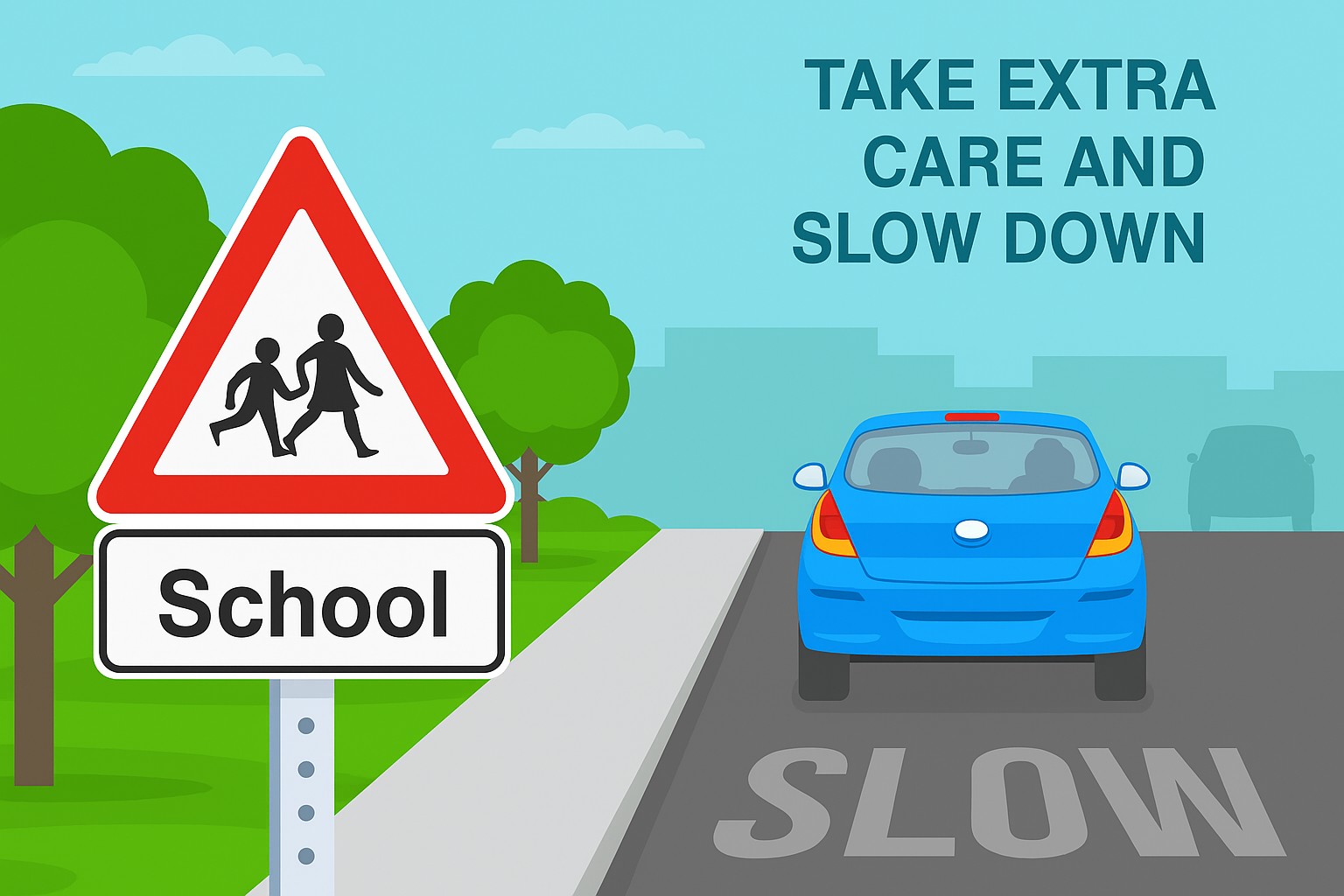
- Slow Near SchoolsStay below 25 km/h. No second saved is worth a life.
- Model the MessageChildren copy what they see. Safety isn't optional — it's love in action.
What this Children's Day demands
A school is a public asset. Its approach road should be too. We do not need new technology — we need to install, audit and enforce what we already know works.
When parents wear helmets, drivers slow near schools, and children sit safely buckled in the back seat, we create more than habits — we create hope. This Children's Day, give India's children the one gift every parent wishes for: a safe journey home.
No child should die at the school gate
A safer school zone is one of the cheapest, fastest road safety wins available to any city.
- Adopt the 30 km/h cap within 200m of every school approach
- Mandate raised crossings and rumble strips on every school road
- Audit every school-bus fleet for fitness and driver background every year
Share this story
40 Indian children die on roads every day. A research brief on school-zone safety failures and fixes.