
Paws, Hooves, and Chaos: The Untamed Threat of Animals on Our Roads
Animal-related crashes claim hundreds of Indian lives every year — yet they sit almost entirely outside our road safety data, design and policy conversation.
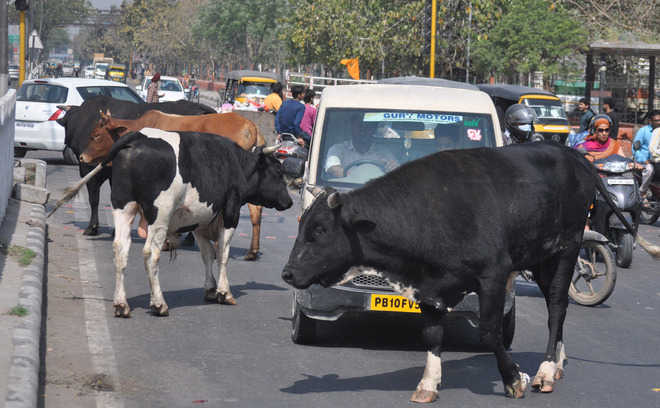
The numbers don't lie
On a dim highway, a single stray dog can spell disaster. A routine drive turns into a nightmare when a furry silhouette suddenly appears in headlights. These are not isolated incidents. Road accidents involving animals have become an alarming feature of Indian roads, claiming hundreds of lives each year.
- 60% of animal crashesInvolve stray dogs (insurance claim data, 2024).
- 33% of urban crashesInvolve cattle, per major city data.
- 7 deaths a monthIn Chhattisgarh alone — 404 deaths in 5½ years (Indian Express).
- 900+ deathsIn Haryana between 2018 and 2022 from cattle collisions.
Why are animals everywhere on our roads?
- The dog problem10M+ street dogs across India. Mobile, territorial and reactive to fast-moving vehicles — their instinct to chase creates sudden, unpredictable movements.
- The cattle crisis5M+ stray cattle nationwide (2019 census). Large, slow-moving, often resting in shaded road areas — invisible until impact, especially at night.
- Markets & abattoirsImproperly fenced sites push livestock onto carriageways at predictable times of day.
- The SpiceJet wake-up callThe Jabalpur incident highlighted how broken perimeter fencing allows animals into critical zones — proper boundaries are needed everywhere, not just airports.
When danger peaks
- 40% in fog or rainOf fatal animal crashes occur in poor visibility (Punjab study).
- High-risk windowsDogs chase vehicles in darkness; cattle rest in shaded road bends; foggy winter mornings; monsoon nights.
- Wildlife corridorsIn Kerala and Assam, shrinking forest buffers push elephants, deer and monkeys onto highways. Assam built four canopy bridges for endangered golden langurs after multiple road kills.
“We design highways through corridors elephants have walked for centuries, and then call the result an accident.”
Solutions that work
- Tamil Nadu's tough stanceJail time plus heavy fines for cattle owners whose strays cause road incidents.
- UP cow patrolsDedicated teams round up and tag strays before they reach carriageways.
- Reflective collarsUP's fluorescent collars on stray cattle help drivers spot them at night.
- Shelter programsHaryana rehabilitated over 100,000 stray cattle into shelters in two years.
- Smart infrastructureBetter night lighting on rural highways, speed breakers near village areas, animal-crossing warning signs.
- Underpasses & fencingOn parts of NH-44 and Karnataka's Bandipur stretch, both animal and human fatalities dropped sharply where deployed.
Your defence on the road
Join the movement
This isn't just another blog post — it's a call to action on a problem too often ignored. Share with friends and family who drive. Ask why strays are so abundant. Demand more shelters and stricter laws. Help turn these untamed hazards back into the sacred cows and playful dogs our country respects, before they become another statistic.
Bring animals into the data
You cannot mitigate what you do not measure.
- Add an 'animal collision' field to every FIR and iRAD record
- Audit every NH stretch passing a known wildlife corridor
- Fund stray-animal management at every municipality with a state highway
Share this story
Animal-related crashes claim hundreds of Indian lives every year and rarely make policy. This brief explains why.